The evidence presented throughout this report leaves little room for ambiguity. Dalmarnock Village is not suffering from an unfortunate collection of housing defects. It is living through the consequences of prolonged institutional failure. Homes have been allowed to deteriorate while the organisations entrusted with their care repeatedly failed to respond with the urgency, competence, or honesty that residents were entitled to expect.
The physical condition of homes alone should have prompted decisive intervention years ago. Persistent flooding, damp, mould, defective ventilation, structural deterioration, and recurring repair failures have left residents living in conditions that no one should be expected to tolerate. These were not short-lived defects. They became part of everyday life. Homes designed to provide safety instead became sources of anxiety, ill-health, financial hardship, and insecurity.
The consequences reached far beyond bricks and mortar. People described the gradual destruction of their comfort, dignity, and sense of home. Families reorganised their lives around broken bathrooms, unusable rooms, mould spreading across children’s bedrooms, and the constant anxiety that another issue was only days away. Residents paid full rent for homes they could not fully use, absorbed costs that should never have fallen upon them, and carried burdens that rightly belonged to their housing providers.
Perhaps most disturbing of all was the institutional response. Residents were met with incompetence, delay, indifference, hostility, intimidation, and victim blaming. Repairs repeatedly failed. Complaints disappeared into bureaucratic dead ends. Those who persisted often found themselves treated as problems to be managed rather than people whose homes required repair. Some were made to question their own experiences. Others were left feeling powerless, humiliated, or frightened to continue speaking out. No organisation committed to social housing should recognise itself in these pages without profound shame.
By the end of this report, one conclusion becomes impossible to escape. These were never isolated failures. The same patterns appeared across different streets, different housing associations, different tenures, and different households with remarkable consistency. Residents who had often spent years believing they were alone gradually discovered that their neighbours were living through the same experiences. The significance of that realisation cannot be overstated. Once those stories were brought together, the claim that these were simply individual cases ceased to be credible.
The failure extends beyond repairs themselves. It also exposes a profound failure of accountability. Throughout this campaign there remained a striking disconnect between the confidence with which housing providers presented their own understanding of conditions and the reality documented inside residents’ homes. That disconnect cannot simply be dismissed as a difference of opinion. It raises fundamental questions about how housing conditions are currently monitored, whose evidence is treated as authoritative, and whether existing systems are capable of recognising widespread failure even when residents have been living with it for years.
This report also represents something far larger than an investigation into housing conditions. It records a history that would otherwise have remained unheard. For more than a decade Dalmarnock Village has largely existed in the public imagination as a symbol of regeneration and the lasting legacy of the Commonwealth Games. Residents have lived with a very different legacy. By placing their experiences at the centre of this report, they have reclaimed the authority to describe their own community in their own words. They have refused to allow promotional narratives to become the only history that survives. Future accounts of Dalmarnock Village can no longer celebrate regeneration without also confronting the suffering that accompanied it.
The opportunity to shape this report was equally important. Residents did not simply provide evidence. They helped determine the questions asked, the issues investigated, the interpretation of the findings, and the direction of the recommendations that follow. Too often communities are treated as passive sources of information while others decide what should happen next.
Justice now requires more than acknowledgement. It requires homes to be made safe, residents to be properly compensated where appropriate, and housing providers to be held publicly accountable for the failures documented throughout these pages. It requires reforms that ensure no community is forced to endure another decade of neglect before being believed.
Yet immediate justice alone will not be enough.
The conditions documented in Dalmarnock Village did not emerge simply because repairs failed. They emerged because residents possessed remarkably little democratic power over the institutions that governed their homes. Decisions affecting every aspect of daily life were concentrated within organisations that remained insulated from the people expected to live with the consequences.
That democratic deficit lies at the heart of this report. A housing system that leaves communities with so little meaningful control over the homes they fund, occupy, and depend upon creates the conditions in which neglect becomes normalised and accountability steadily weakens. If social housing is genuinely to serve the public, then the people who live within it must become more than service users or consultees. They must become participants in its governance.
The recommendations that follow begin with the urgent actions required to deliver justice for Dalmarnock Village. They then move beyond immediate remedies to argue for something more fundamental: the democratic transformation of social housing itself.
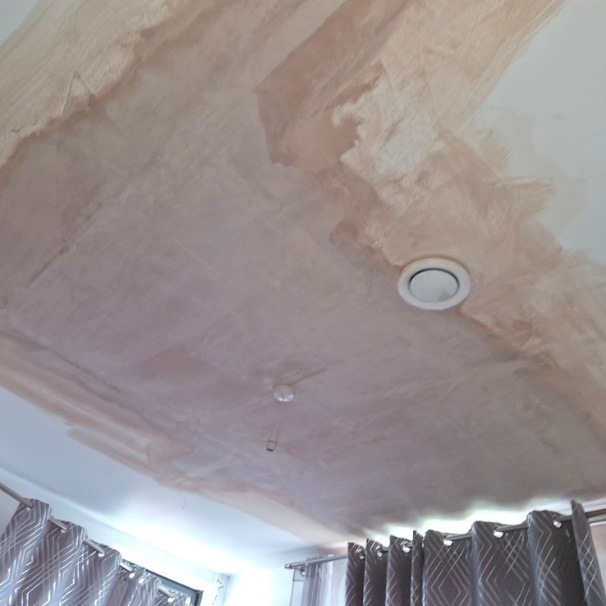
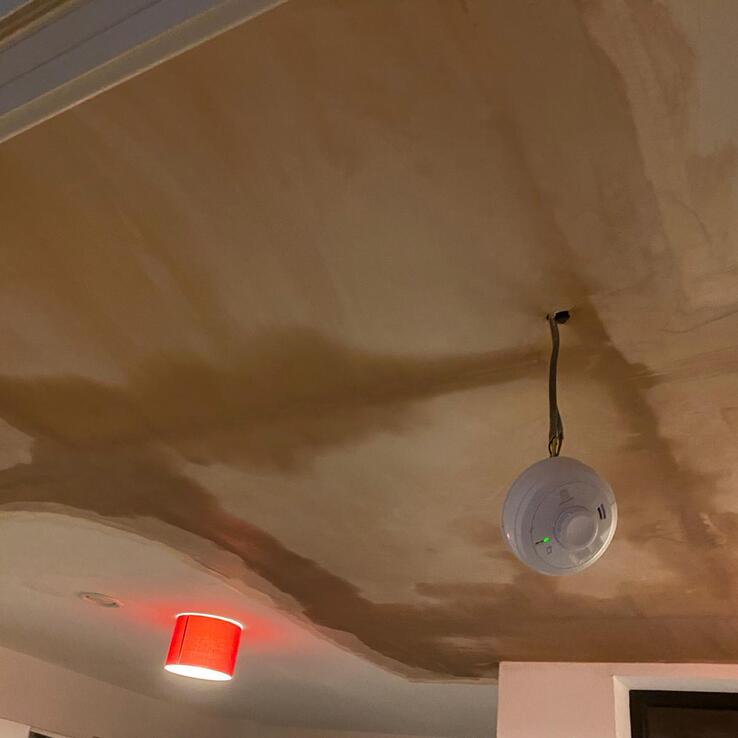
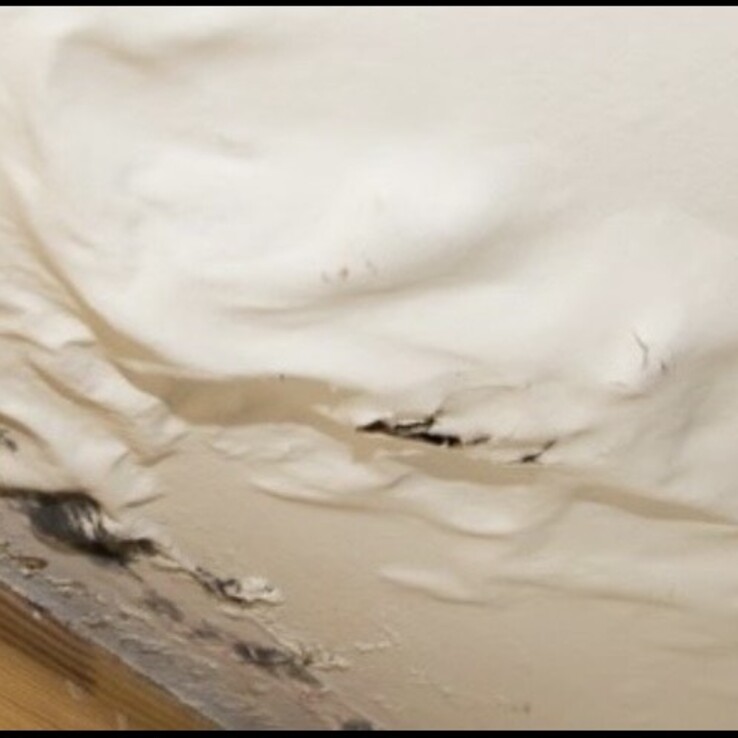
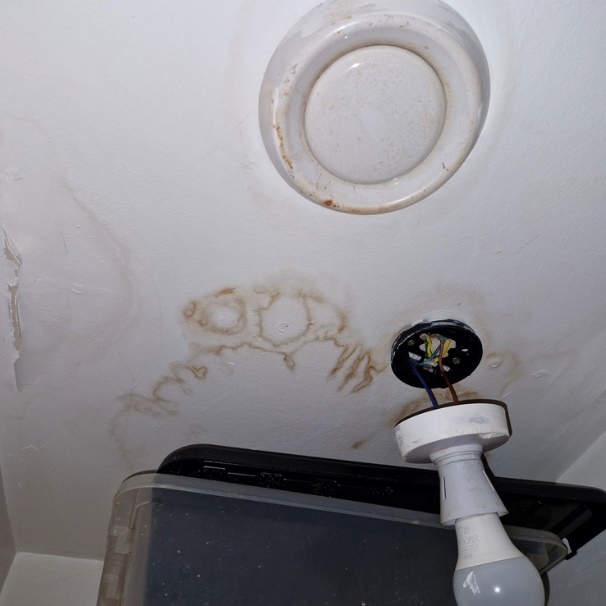
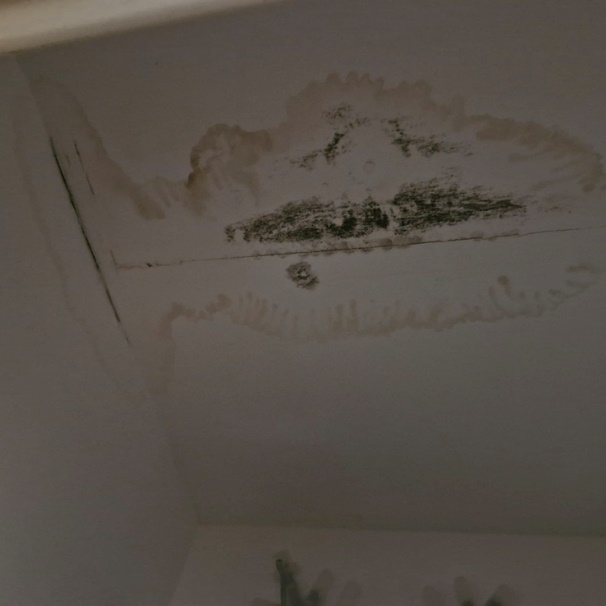
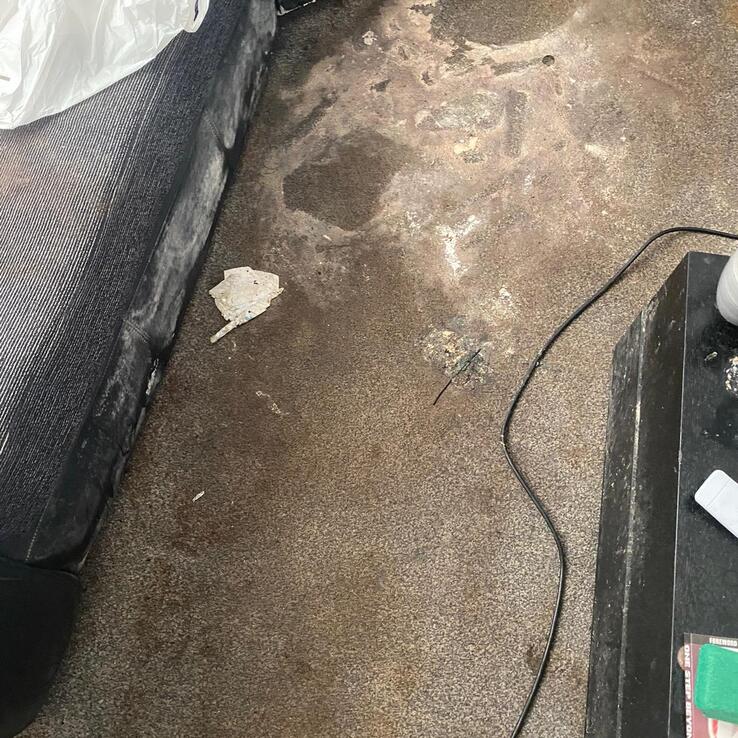
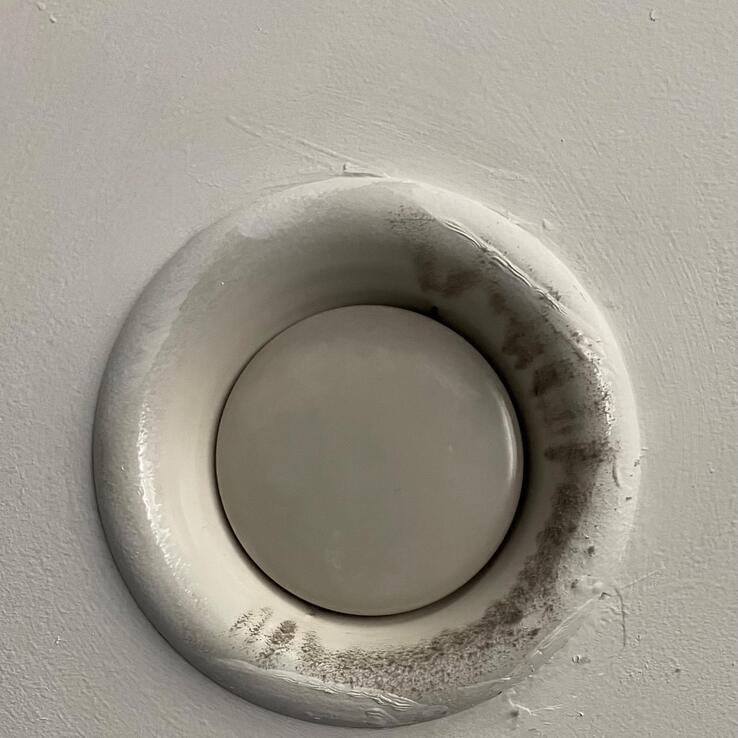


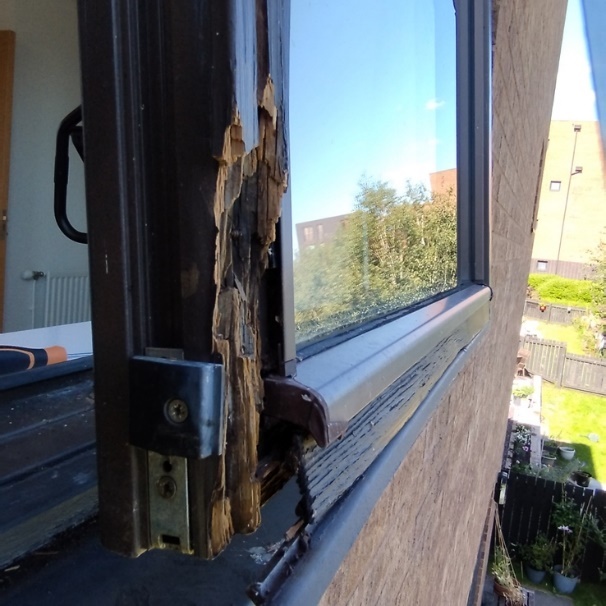
For more images, see the Appendix section in the report:
Read the Report
Resident Response
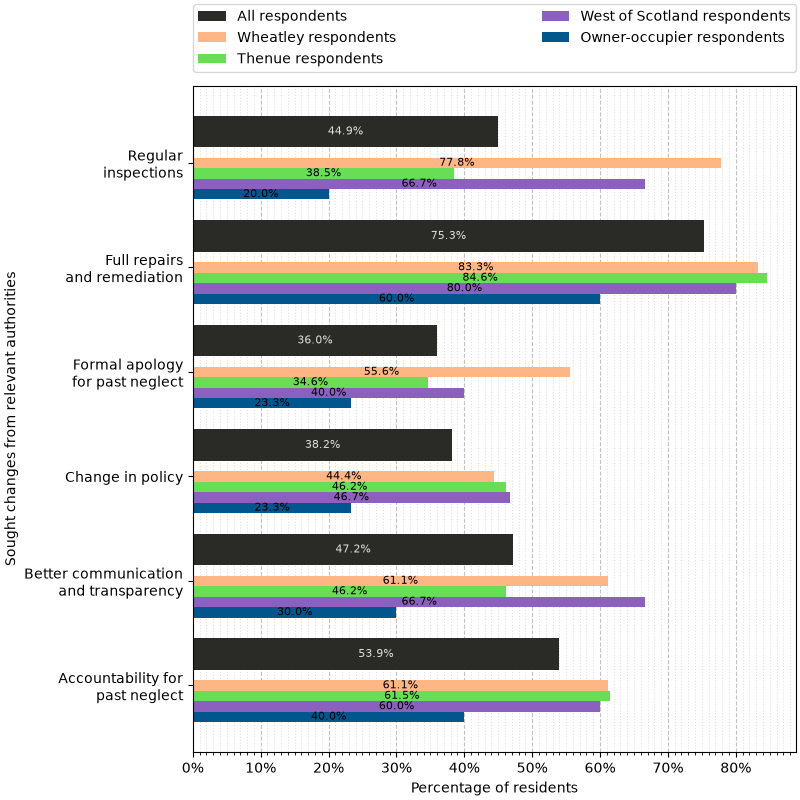
- Residents were asked which actions they wished to see taken in response to the housing problems they had experienced.
- Support was strongest for full repairs and remediation (75.3 per cent), followed by accountability for past neglect (53.9 per cent), better communication and transparency (47.2 per cent), and regular inspections (44.9 per cent).
- The message was straightforward: fix the problems, accept responsibility for longstanding failures, communicate openly with residents, and ensure that defects do not recur.
Throughout the oral history interviews, residents described many different experiences of housing failure. Yet the aspiration they expressed was remarkably consistent. Maria Rossi perhaps summarised it best:
For everybody to get a habitable home that’s mould free, damp free, and that’s not a bomb when trying to heat it.
Interview with Maria Rossi (Wheatley Homes Glasgow Tenant) by James Ferns and Frances Galt (26.02.2026)
The recommendations that follow respond to the evidence presented throughout this report and seek to ensure that no community is left to experience the conditions documented in Dalmarnock Village. They combine immediate proposals to deliver justice for residents in Dalmarnock Village with wider reforms to build a more accountable, democratic, and resident-centred housing system across Scotland.